


Industry News
Powering Low-Speed Electric Vehicles: Exploring Three Major Battery Types
Views : 361
Author : Cyclemix
Update time : 2023-11-06 11:31:54
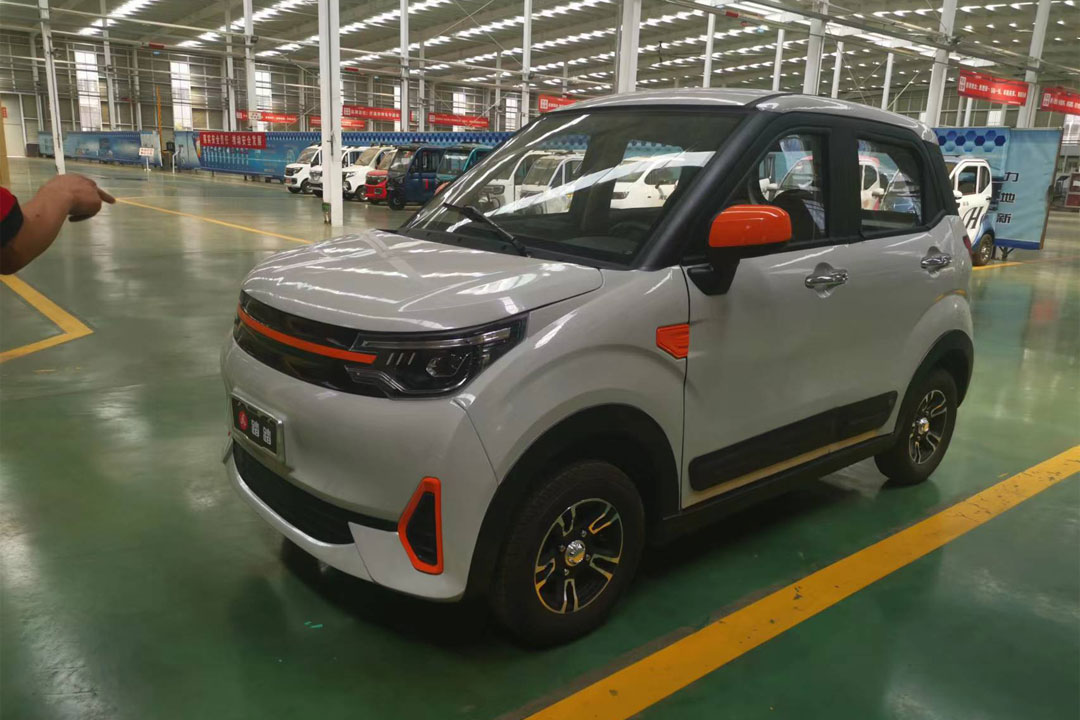
As the popularity of low-speed electric vehicles (LSVs) continues to rise, the development of battery technology has become a crucial aspect of this field. The type and quality of batteries have a direct impact on the performance and range of low-speed electric vehicles. This article will introduce the three most commonly used battery types in LSVs, discussing their characteristics and the advantages and disadvantages of their various applications.
Lithium-Ion Batteries:
Lithium-ion batteries are one of the most common types of batteries used in low-speed electric vehicles. They are renowned for their high energy density, lightweight construction, and durability, making them the preferred choice for modern low-speed electric vehicles. Lithium-ion batteries also boast excellent charging efficiency and a low self-discharge rate, allowing low-speed electric vehicles to charge rapidly and maintain battery capacity. However, the manufacturing and handling of lithium-ion batteries require special care, as they can become unstable under certain conditions.
Nickel-Metal Hydride Batteries:
Nickel-metal hydride batteries are another battery type used in low-speed electric vehicles. They find wide applications in some hybrid low-speed electric vehicles and early electric cars. Nickel-metal hydride batteries offer a high energy density, providing power over a wide range. Their advantages include lower cost and greater environmental friendliness, as they do not contain harmful heavy metals. However, compared to lithium-ion batteries, they have lower energy density, larger size, and longer charging times.
Lead-Acid Batteries:
Lead-acid batteries are an older type of battery commonly used in low-speed electric vehicles, primarily in traditional hybrid low-speed electric vehicles. Their main strengths lie in their low cost and relatively long service life. However, their energy density is lower, and they are relatively heavy, contributing to increased vehicle weight. As a result, they are typically not suitable for pure electric low-speed electric vehicles.
In addition to the above battery types, there are ultracapacitors, which possess excellent rapid charging and discharging capabilities, providing additional peak power and reducing stress on batteries. However, ultracapacitors are typically used to supplement other battery types rather than serving as the primary power source.
With ongoing technological advancements, battery technology in the low-speed electric vehicle sector continues to evolve. These developments aim to enhance range, reduce costs, and minimize environmental impact. In the future, we can expect to witness more battery innovations that will drive the growth of the low-speed electric vehicle industry, making it more appealing and versatile for various applications. The progress in these battery technologies will not only affect the performance of low-speed electric vehicles but also promote clean energy and sustainable mobility.
Lithium-Ion Batteries:
Lithium-ion batteries are one of the most common types of batteries used in low-speed electric vehicles. They are renowned for their high energy density, lightweight construction, and durability, making them the preferred choice for modern low-speed electric vehicles. Lithium-ion batteries also boast excellent charging efficiency and a low self-discharge rate, allowing low-speed electric vehicles to charge rapidly and maintain battery capacity. However, the manufacturing and handling of lithium-ion batteries require special care, as they can become unstable under certain conditions.
Nickel-Metal Hydride Batteries:
Nickel-metal hydride batteries are another battery type used in low-speed electric vehicles. They find wide applications in some hybrid low-speed electric vehicles and early electric cars. Nickel-metal hydride batteries offer a high energy density, providing power over a wide range. Their advantages include lower cost and greater environmental friendliness, as they do not contain harmful heavy metals. However, compared to lithium-ion batteries, they have lower energy density, larger size, and longer charging times.
Lead-Acid Batteries:
Lead-acid batteries are an older type of battery commonly used in low-speed electric vehicles, primarily in traditional hybrid low-speed electric vehicles. Their main strengths lie in their low cost and relatively long service life. However, their energy density is lower, and they are relatively heavy, contributing to increased vehicle weight. As a result, they are typically not suitable for pure electric low-speed electric vehicles.
In addition to the above battery types, there are ultracapacitors, which possess excellent rapid charging and discharging capabilities, providing additional peak power and reducing stress on batteries. However, ultracapacitors are typically used to supplement other battery types rather than serving as the primary power source.
With ongoing technological advancements, battery technology in the low-speed electric vehicle sector continues to evolve. These developments aim to enhance range, reduce costs, and minimize environmental impact. In the future, we can expect to witness more battery innovations that will drive the growth of the low-speed electric vehicle industry, making it more appealing and versatile for various applications. The progress in these battery technologies will not only affect the performance of low-speed electric vehicles but also promote clean energy and sustainable mobility.
Related News
Read More >>
 Double Celebration at Cyclemix: Christmas & New Year Special!
Dec .26.2023
As a big thank you for your incredible support, we've teamed up with Huizhou Yixun Factory for an exclusive Christmas and New Year promotion! Get ready for unbeatable deals on electric bikes, with some models up to 50% off!
 The Confluence of Electric Motorcycles and Smart Mobility Solutions Paving the Way for a Sustainable Future
Dec .21.2023
With governments worldwide actively endorsing eco-friendly initiatives, the demand for electric motorcycles is steadily on the rise. According to predictions from relevant industry institutions, the global compound annual growth rate (CAGR) for electric motorcycles is expected to reach 8.7% by 2029, catapulting the market size to a staggering $218 billion.
 Electric Scooter Age Guide: Choosing the Right Time for Your Child
Dec .18.2023
In today's urban lifestyle, electric scooters have become a popular mode of transportation, not only for adults but also for young skateboarding enthusiasts. However, for parents, the question of when their child should start using an electric scooter may be a source of confusion. Let's explore the age recommendations for electric scooters and some key factors to consider.
 Electric Bike Conversion Kits Tailoring Your Ride for Every Need
Dec .16.2023
With the rapid advancement of technology, electric bikes have become increasingly prevalent in everyday transportation. However, not everyone is inclined to embrace this trend by purchasing a brand-new electric bike. In such cases, electric bike conversion kits have emerged as a popular choice, offering riders an economical, environmentally conscious, and personalized way to upgrade their existing bicycles.