


Industry News
Redefining Low-Speed Electric Vehicles The Evolution of Range Extenders
Views : 506
Author : Cyclemix
Update time : 2023-11-13 13:33:34
In the ever-evolving realm of electric vehicles, the question arises: do any low-speed electric cars have range extenders? The answer unveils a fascinating dimension in the landscape of low-speed electric vehicles (LSEVs). Not only do some LSEVs incorporate range extenders, but these innovative additions are reshaping the narrative of electric mobility.
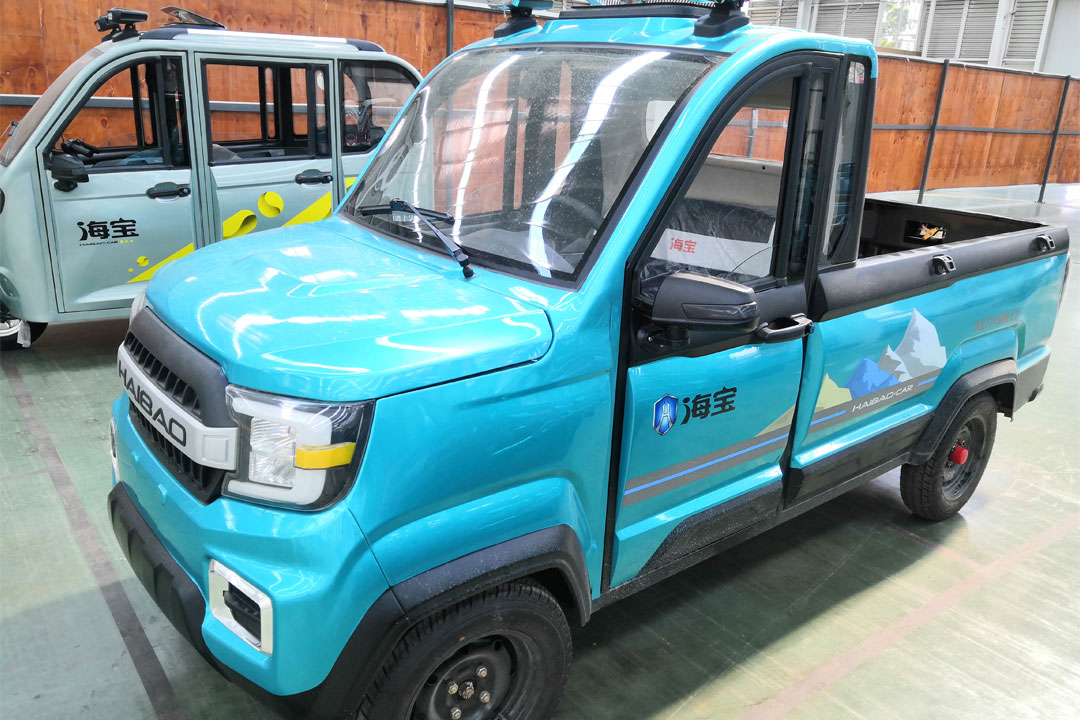
Range-Extended Electric Vehicles (REEVs) have emerged as a notable category within the low-speed electric car segment. These vehicles typically boast an all-electric range of around 50-80 miles, harnessing the power of their electric batteries. However, what sets them apart is the integration of a range extender engine that comes into play when the initial electric range is depleted.
Once the all-electric range is exhausted, the range extender engine seamlessly kicks in, providing an additional power source. This transition transforms the vehicle into a series hybrid drivetrain, a configuration that ensures a continuous driving experience without the constraints of traditional electric vehicles. The introduction of a range extender marks a significant stride in addressing the limitations associated with the initial electric range, mitigating concerns about range anxiety and enhancing the practicality of low-speed electric vehicles.
The range extender engine, often powered by traditional fuels, extends the vehicle's operational range by an impressive margin. After the range extender engine engages, drivers can typically continue their journey for an additional 200-300 miles or even more. This not only expands the horizons for urban commuters but also positions low-speed electric vehicles as viable options for longer trips, making them a versatile choice for various user profiles and travel scenarios.
The versatility of REEVs makes them well-suited for a myriad of applications. Whether it's daily urban commuting or occasional longer journeys, the integration of range extenders offers users the flexibility to adapt to different driving needs. Moreover, the combination of an initial electric range and the extended range from the onboard generator makes REEVs an attractive solution for drivers who require the efficiency of electric propulsion without compromising on the ability to cover more extensive distances.
As the automotive industry continues to embrace sustainable and innovative solutions, the evolution of low-speed electric vehicles with range extenders showcases a commitment to overcoming the challenges associated with electric mobility. These vehicles not only cater to the needs of urban commuters but also contribute to the broader vision of eco-friendly transportation.
In conclusion, the presence of range extenders in some low-speed electric cars signals a transformative shift in the electric vehicle landscape. The fusion of electric and traditional power sources not only addresses range limitations but also positions low-speed electric vehicles as adaptable, efficient, and increasingly relevant in the dynamic world of modern transportation.
Range-Extended Electric Vehicles (REEVs) have emerged as a notable category within the low-speed electric car segment. These vehicles typically boast an all-electric range of around 50-80 miles, harnessing the power of their electric batteries. However, what sets them apart is the integration of a range extender engine that comes into play when the initial electric range is depleted.
Once the all-electric range is exhausted, the range extender engine seamlessly kicks in, providing an additional power source. This transition transforms the vehicle into a series hybrid drivetrain, a configuration that ensures a continuous driving experience without the constraints of traditional electric vehicles. The introduction of a range extender marks a significant stride in addressing the limitations associated with the initial electric range, mitigating concerns about range anxiety and enhancing the practicality of low-speed electric vehicles.
The range extender engine, often powered by traditional fuels, extends the vehicle's operational range by an impressive margin. After the range extender engine engages, drivers can typically continue their journey for an additional 200-300 miles or even more. This not only expands the horizons for urban commuters but also positions low-speed electric vehicles as viable options for longer trips, making them a versatile choice for various user profiles and travel scenarios.
The versatility of REEVs makes them well-suited for a myriad of applications. Whether it's daily urban commuting or occasional longer journeys, the integration of range extenders offers users the flexibility to adapt to different driving needs. Moreover, the combination of an initial electric range and the extended range from the onboard generator makes REEVs an attractive solution for drivers who require the efficiency of electric propulsion without compromising on the ability to cover more extensive distances.
As the automotive industry continues to embrace sustainable and innovative solutions, the evolution of low-speed electric vehicles with range extenders showcases a commitment to overcoming the challenges associated with electric mobility. These vehicles not only cater to the needs of urban commuters but also contribute to the broader vision of eco-friendly transportation.
In conclusion, the presence of range extenders in some low-speed electric cars signals a transformative shift in the electric vehicle landscape. The fusion of electric and traditional power sources not only addresses range limitations but also positions low-speed electric vehicles as adaptable, efficient, and increasingly relevant in the dynamic world of modern transportation.
Related News
Read More >>
 Double Celebration at Cyclemix: Christmas & New Year Special!
Dec .26.2023
As a big thank you for your incredible support, we've teamed up with Huizhou Yixun Factory for an exclusive Christmas and New Year promotion! Get ready for unbeatable deals on electric bikes, with some models up to 50% off!
 The Confluence of Electric Motorcycles and Smart Mobility Solutions Paving the Way for a Sustainable Future
Dec .21.2023
With governments worldwide actively endorsing eco-friendly initiatives, the demand for electric motorcycles is steadily on the rise. According to predictions from relevant industry institutions, the global compound annual growth rate (CAGR) for electric motorcycles is expected to reach 8.7% by 2029, catapulting the market size to a staggering $218 billion.
 Electric Scooter Age Guide: Choosing the Right Time for Your Child
Dec .18.2023
In today's urban lifestyle, electric scooters have become a popular mode of transportation, not only for adults but also for young skateboarding enthusiasts. However, for parents, the question of when their child should start using an electric scooter may be a source of confusion. Let's explore the age recommendations for electric scooters and some key factors to consider.
 Electric Bike Conversion Kits Tailoring Your Ride for Every Need
Dec .16.2023
With the rapid advancement of technology, electric bikes have become increasingly prevalent in everyday transportation. However, not everyone is inclined to embrace this trend by purchasing a brand-new electric bike. In such cases, electric bike conversion kits have emerged as a popular choice, offering riders an economical, environmentally conscious, and personalized way to upgrade their existing bicycles.